


_edited.png)
Cold Therapy for Recovery, Relief, and Reset
The first few seconds of a cold plunge ask you to slow down. Your breath catches, your attention narrows, and the noise of a packed workday, a tough training session, or a body full of tension begins to fade into the background. Cold therapy is not about proving how tough you are. Done thoughtfully, it is a practical, refreshing way to support recovery and give your nervous system a chance to reset.
For people around Arvada and northwest Denver balancing workouts, desk time, family schedules, and full calendars, that reset can feel especially valuable. A brief, guided cold experience may help you feel more awake, grounded, and ready to move through the rest of your day with greater ease.
What Cold Therapy Does for Your Body
Cold therapy uses low temperatures to create a controlled stress response in the body. During a cold plunge, blood vessels near the skin temporarily constrict, and your body works to maintain its core temperature. When you step out and gradually warm up, circulation returns to the surface tissues.
That process is one reason many active people turn to cold water after demanding exercise. The cold sensation can reduce the perception of muscle soreness and provide a welcome sense of relief after leg day, a long run, a hike, or an intense class. It can also feel soothing when your body is carrying the familiar heaviness of overuse and everyday physical stress.
The benefits are not only physical. Cold water creates an immediate reason to focus on your breath. You cannot casually scroll through a cold plunge. You are present, paying attention to your body, and practicing the kind of slow, steady breathing that can help settle a racing mind. Many guests leave feeling alert but calm, as if they have cleared some mental clutter along with the sweat of their workout.
Cold therapy is not a cure for injuries, chronic pain, or medical conditions. Its role is supportive: a recovery ritual that may help you feel more comfortable, more resilient, and more connected to what your body needs.
Why a Cold Plunge Feels Different Than an Ice Pack
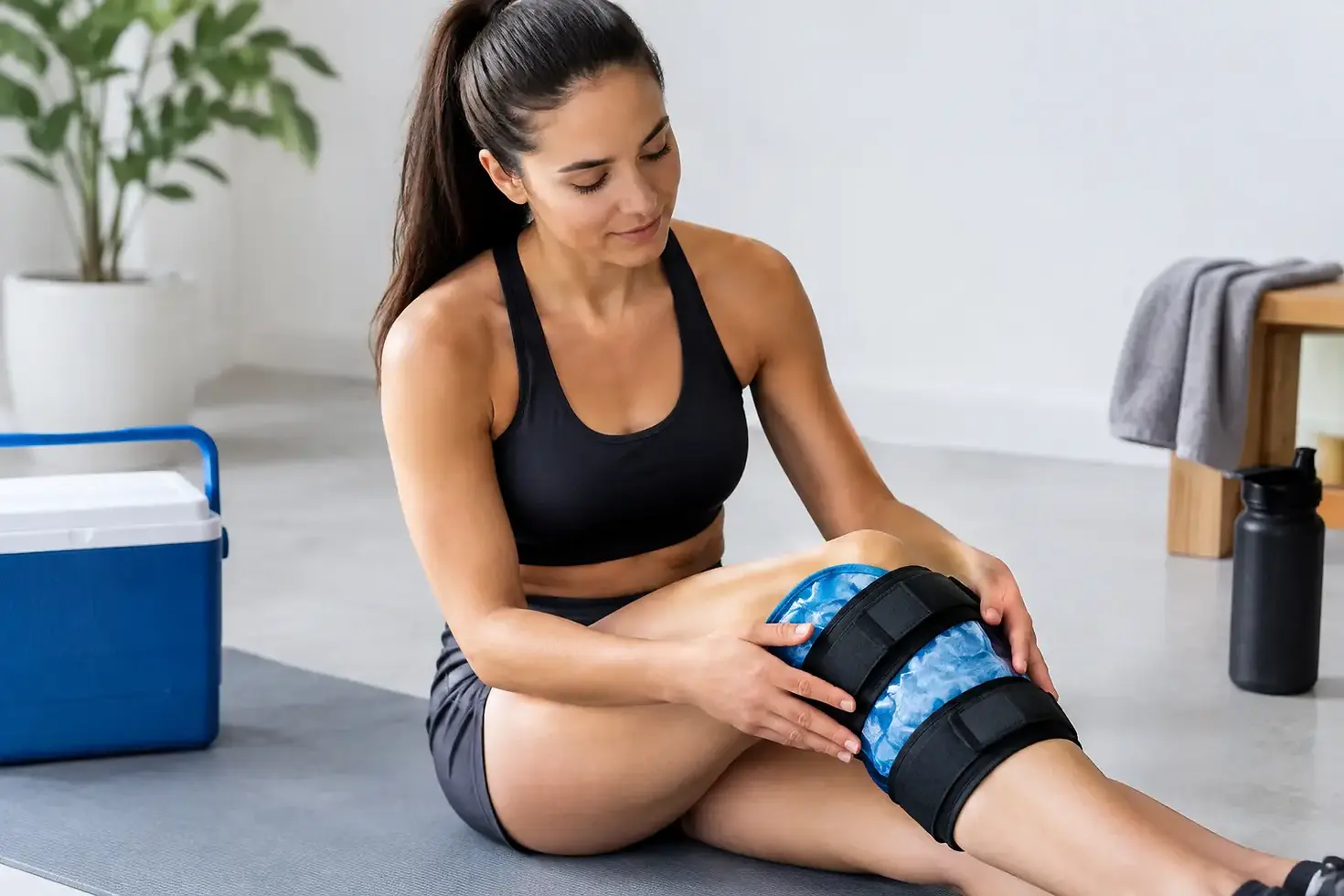
An ice pack can be useful for a small, acute area, especially when you are following guidance from a health care professional. A cold plunge is a full-body experience. Rather than targeting one sore shoulder or knee, it asks your entire system to respond to the temperature shift.
That is why the experience often feels as mental as it does muscular. The water offers a clear sensory boundary. Your to-do list pauses. Your breathing becomes the main task. For someone who spends hours seated at a computer or moves from one obligation straight into another, those few intentional minutes can be a powerful interruption to the usual rush.
It also means that more is not always better. A longer plunge is not automatically a more beneficial one. The right duration depends on your cold-water experience, the temperature, how you feel that day, and your personal health history. A welcoming wellness setting should help you approach the plunge gradually, not pressure you to push past your limits.
A useful recovery tool, not a punishment
There is a certain culture around cold exposure that makes it seem like suffering is the point. It does not have to be. Your cold therapy session can be challenging while still feeling supported and restorative.
For a first-timer, that may mean entering slowly, keeping your breath steady, and staying in only as long as you can remain calm and comfortable. For a regular cold-plunge guest, it may mean using the session as a deliberate transition after training or before a quiet evening at home. The goal is to leave feeling renewed, not depleted.
When Cold Therapy May Be Most Helpful
The best timing depends on what you want from your session. After a demanding workout, a cold plunge may be a satisfying way to address the immediate feeling of heat and heaviness in your muscles. Some people enjoy it after running, cycling, strength training, skiing, or long days on their feet.
Others use cold water less for athletics and more for mental refreshment. Maybe your shoulders are tense from work, your attention feels scattered, or you are stuck in the sluggish middle of the afternoon. A carefully paced plunge can create a strong shift in sensation and help you return to your day feeling more switched on.
There is one trade-off worth considering for strength-focused athletes. Some research suggests that frequent cold-water immersion immediately after every resistance-training session may reduce certain long-term muscle-building adaptations. If gaining muscle is your highest priority, you may choose to save regular plunges for rest days, endurance training days, or times when soreness management matters more than maximizing strength adaptations. Your training goals should shape your recovery plan.
For many people, consistency matters more than intensity. A short, comfortable session you can enjoy as part of a regular wellness rhythm is usually more valuable than forcing an extreme experience once and never wanting to return.
Pairing Cold With Heat for a Full-Body Reset
Cold therapy is rewarding on its own, but contrast therapy adds another layer. Moving between heat and cold gives you two distinct sensations: the loosening warmth of a sauna and the bright, invigorating response of a plunge. The shift can feel deeply restorative after training, travel, or a stressful week.
Heat prepares many people to relax. It encourages a sense of softness in tired muscles and gives you time to unwind before the cold. The plunge then brings clarity and an energizing contrast. Afterward, rest is part of the experience. Let your body settle, hydrate, and notice how you feel rather than rushing immediately back into the next obligation.
At Bare Necessities Floating and Massage, the private Fire & Ice experience gives guests space to explore that rhythm without a crowded locker room or a rushed atmosphere. Pairing heat and cold with float therapy or licensed massage can be especially appealing when you want more than a quick recovery stop. It becomes dedicated time to relax, recover, restore, and reconnect with yourself.
What to do before and after your plunge
Arrive hydrated, but avoid overdoing fluids immediately before your session. Wear appropriate swimwear, remove jewelry if it will be uncomfortable in the water, and give yourself a few unhurried minutes before you begin. A calm entry makes a meaningful difference.
Once in the water, resist the urge to gasp and fight the temperature. Focus on a longer exhale. Let your shoulders drop. If you feel sharp discomfort, numbness, dizziness, chest pain, confusion, or panic that does not ease with calm breathing, get out right away and warm up gradually.
Afterward, dry off, put on warm layers, and drink water. You may feel energized, peaceful, or pleasantly tired. Each response can be normal. Avoid scheduling a plunge so tightly that you have to sprint to another commitment. The quiet minutes after the cold are part of the benefit.
Who Should Check With a Health Professional First?
Cold exposure is not right for everyone. If you have heart disease, uncontrolled high blood pressure, circulation problems, a history of fainting, cold-triggered asthma, Raynaud's phenomenon, neuropathy, or any condition that affects temperature regulation, speak with your physician before trying a cold plunge.
You should also seek medical guidance if you are pregnant, recovering from surgery, managing an injury, or taking medications that may affect blood pressure, heart rate, or your ability to sense temperature. Do not use cold therapy while under the influence of alcohol or recreational drugs, and never plunge alone in an unsupervised setting.
Even if you are generally healthy, listen to your body. Wellness is personal. The most effective recovery practice is one that respects your current capacity instead of asking you to ignore it.
Make Room for Recovery
Your body does a lot for you: it carries you through commutes, meetings, workouts, errands, and the unseen demands of everyday life. Giving it a brief, intentional pause is not an indulgence you have to earn. Whether you choose a cool-down after training or a quiet reset after a demanding week, let cold therapy be one more way to meet yourself with care.


Comments